

Event insurance starts with describing risk — not with the name of a policy. Coverage, exclusions, and applicability depend on insurer, jurisdiction, and project; final choice requires licensed advice.
Start with a risk register
Describe guest injury, venue damage, cancellation, weather, equipment, transport, and contractor liability. For each risk, note likely impact, owner, and existing controls.
The register should be readable by legal, finance, and operations — not only by insurance brokers. Alignment early prevents buying a policy that impresses on paper and fails in incident week.
信A policy helps only where the risk scenario matches the coverage wording.


Read wording and exclusions
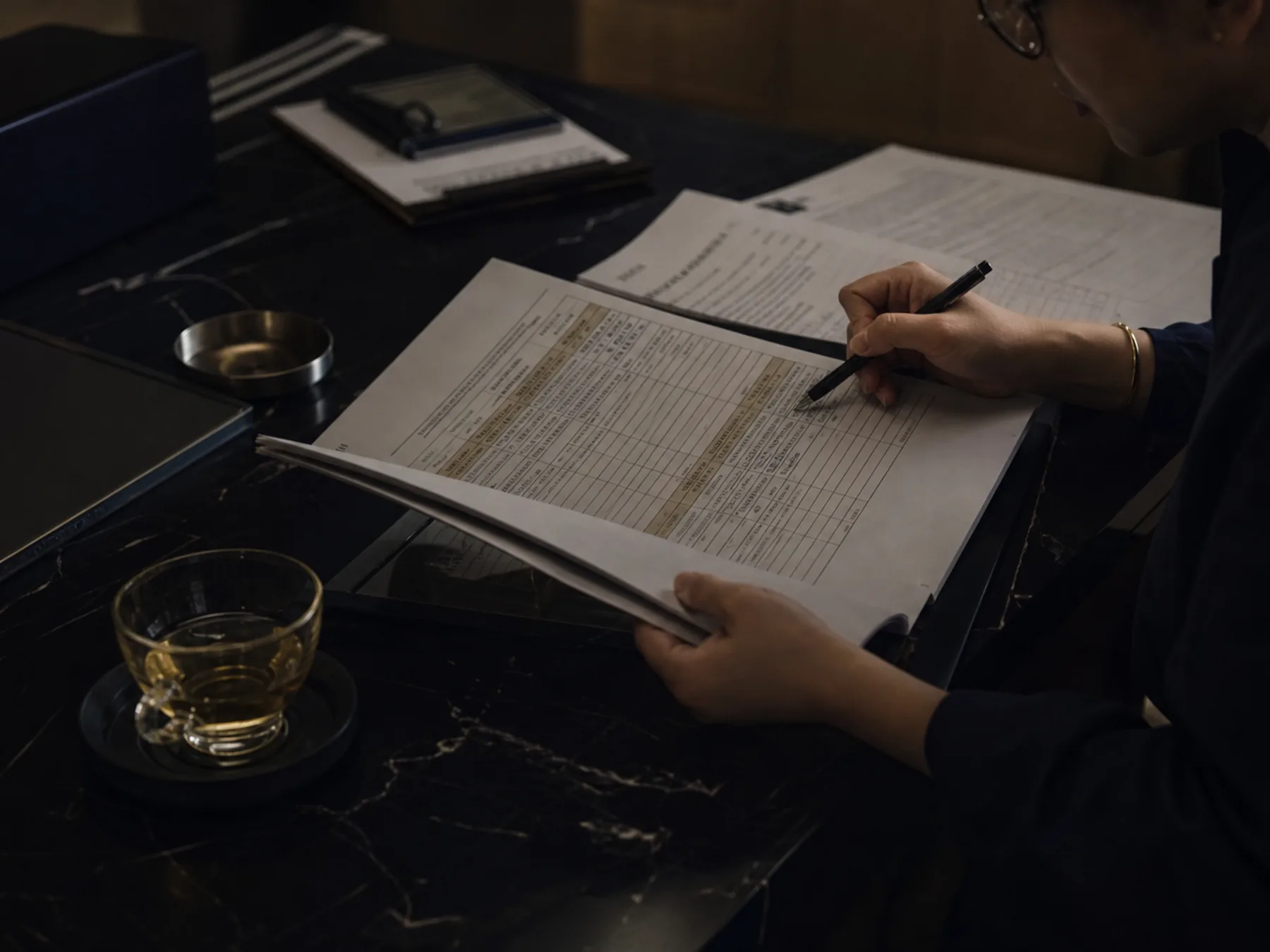
Compare territory, period, limits, deductible, insured parties, subcontractors, and cancellation triggers. A certificate without full wording does not show how the policy behaves in dispute.
Pay special attention to exclusions common in event programmes: communicable disease clauses, government action, and unattended equipment. Assumptions here are expensive because they surface only after loss.
This article is not insurance or legal advice; terms must be confirmed with a licensed specialist.
Prepare incident procedure
Before install, assign insurer contact, notification deadlines, and evidence list. The team should know how to secure safety, preserve documents, and avoid unconfirmed admissions of liability.
Run a short tabletop on a plausible incident: injury in crowd flow, rigging delay, or weather cancellation. Claims readiness is operational discipline, not a folder for legal only.
Quick checklist
- Build a risk register with owners.
- Map risks to full policy wording.
- Check exclusions, limits, and parties.
- Publish incident notification procedure.
Insurance products, exclusions, and licensing requirements differ by insurer and project structure. Confirm coverage wording and territorial scope with a licensed broker or counsel before binding policy.

Need a working plan on this topic for your trip or project? We will start with context and clearly mark what still requires verification.
Discuss your brief