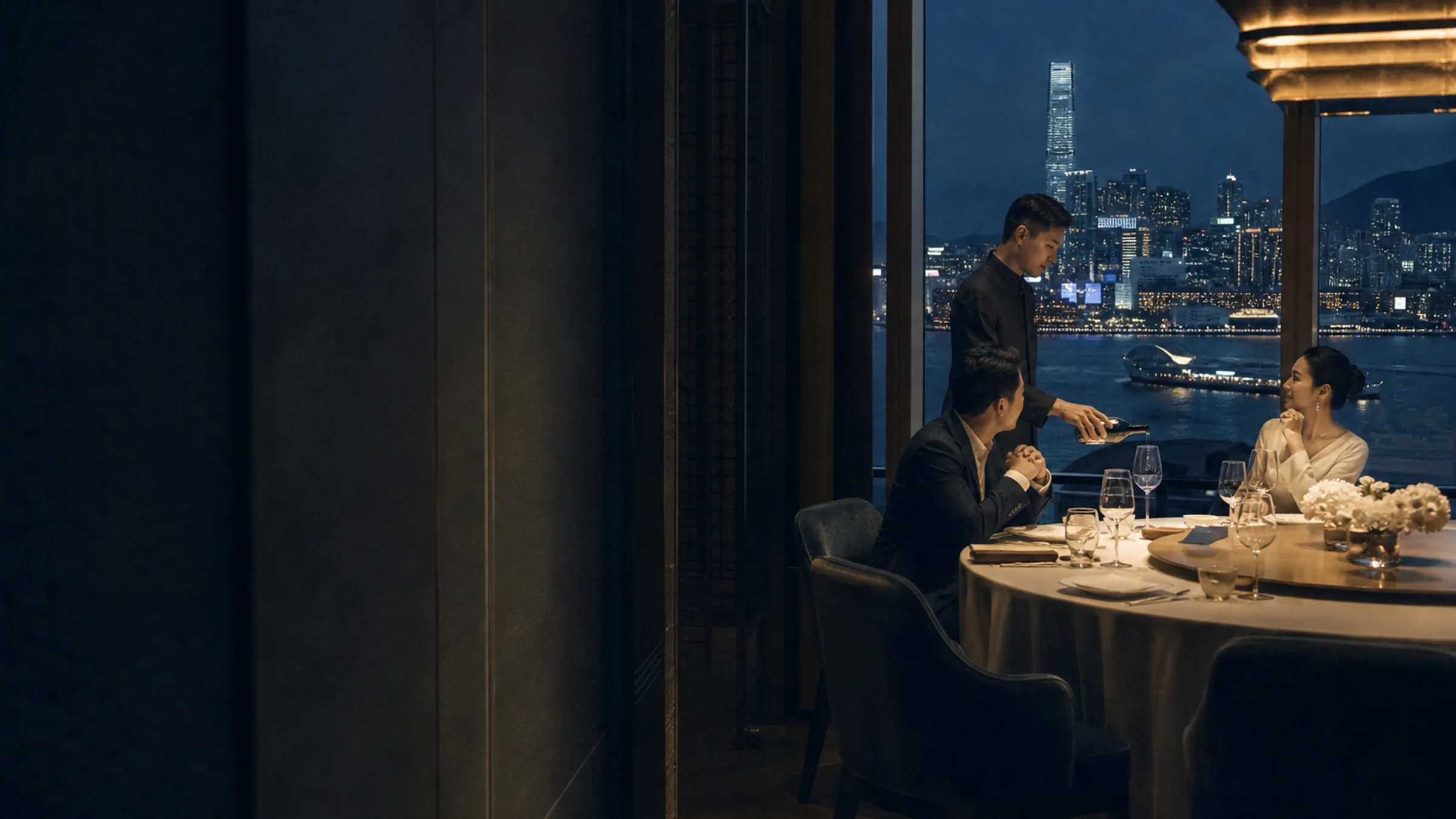

A short business visit to Shanghai wins when geography is disciplined. Three strong points in one city sector are usually more useful than five addresses linked by unpredictable transfers.
Build one urban cluster
Choose a district around the main meeting and subordinate hotel, site inspection, and dinner to it. Verify travel time for the actual day and hour: road conditions and access rules change.
Walk the route once with your local coordinator, noting elevator banks, security checks, and rainy-day cover between buildings. A map distance that looks modest on paper can absorb forty minutes once lobby queues are included.
信The main resource of a 24-hour visit is not the car — it is the guest's preserved attention.

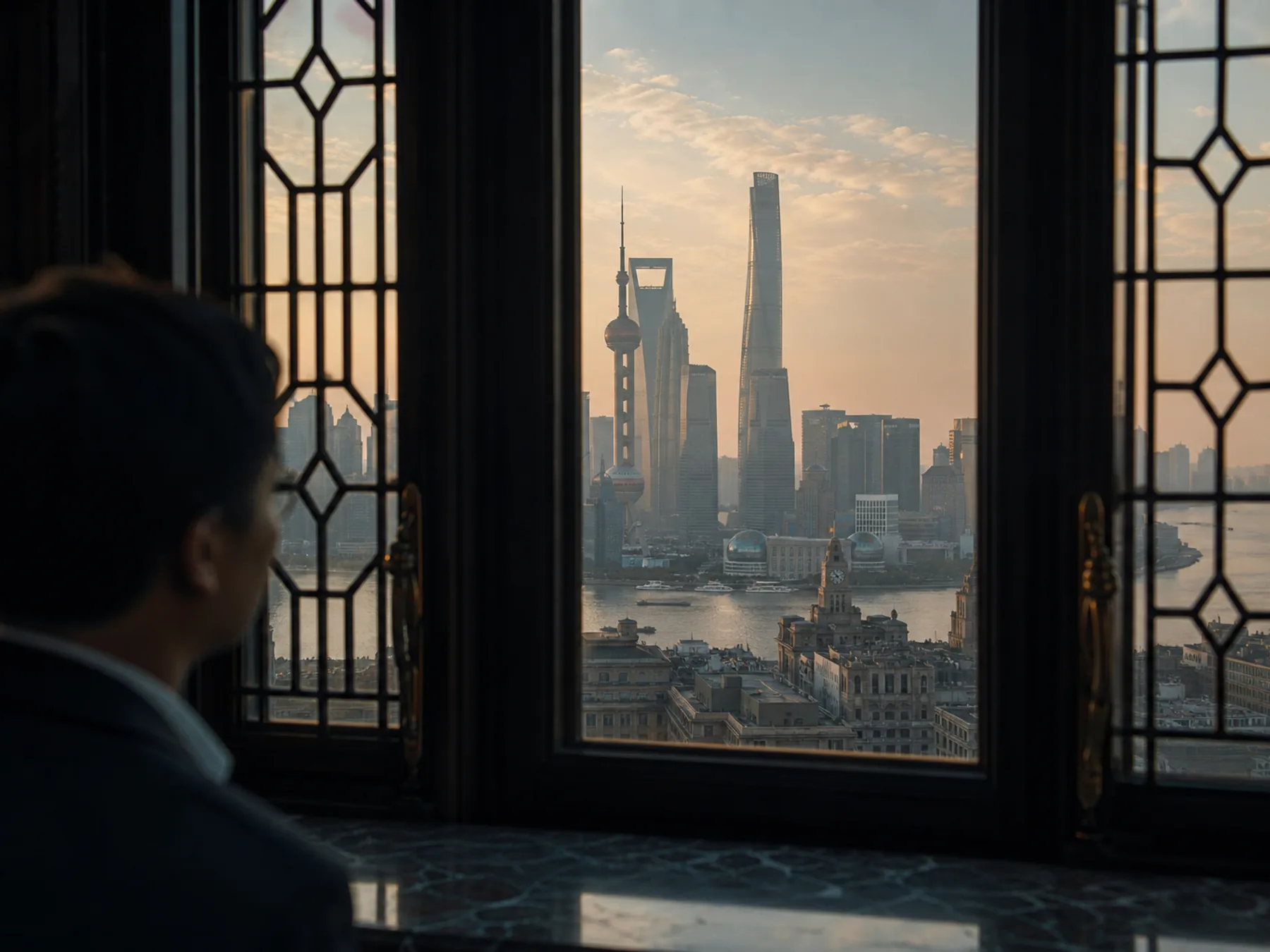
Do not schedule decisions right after landing
Keep the first block for transfer, connectivity, and a short briefing. Start key negotiations only after baggage, documents, and local apps work for the full delegation.
If guests arrive on different flights, define a clear muster time rather than chaining meetings to the first arrival. Jet lag and immigration variance are operational facts, not personal delays.
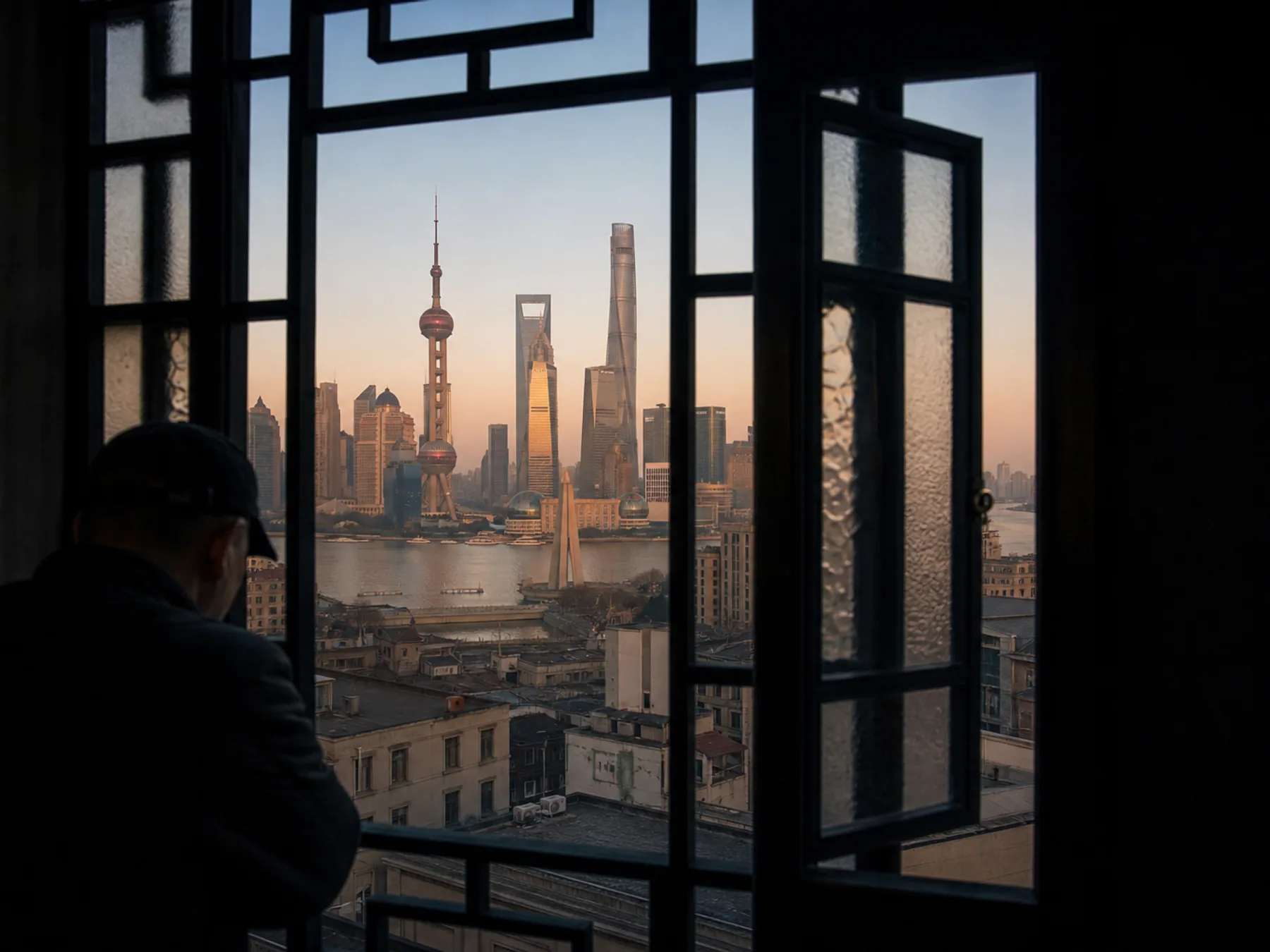
Travel time is verified on the day of operation; published averages do not replace live monitoring.
Protect the final departure
End the last meeting with buffer for checkout, boarding, and road variance. Driver and coordinator should share flight number, terminal, and agreed drop-off point.
For evening departures, confirm whether the hotel can hold luggage after checkout and whether the meeting venue allows a discreet exit path for VIP guests.
Quick checklist
- Choose one cluster around the main meeting.
- Confirm connectivity and payment method on arrival.
- Keep two buffers for road variance.
- Verify terminal and drop-off point before departure.

Need a working plan on this topic for your trip or project? We will start with context and clearly mark what still requires verification.
Discuss your brief