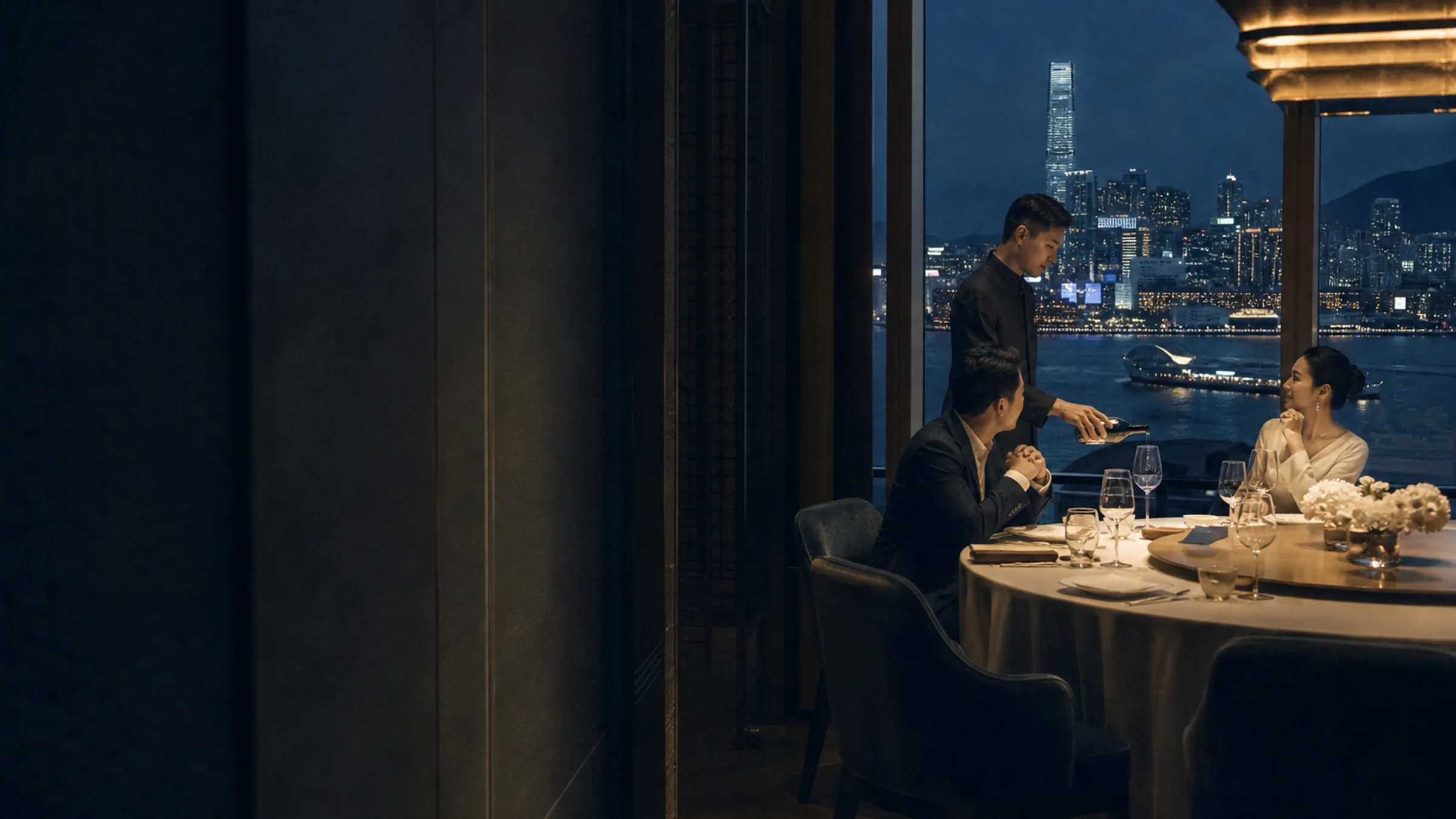

A restaurant for business is chosen for the conversation, not for a universal 'best of' list. Team composition, management, and private-room rules change, so any shortlist needs fresh confirmation.
Define the job of the table first
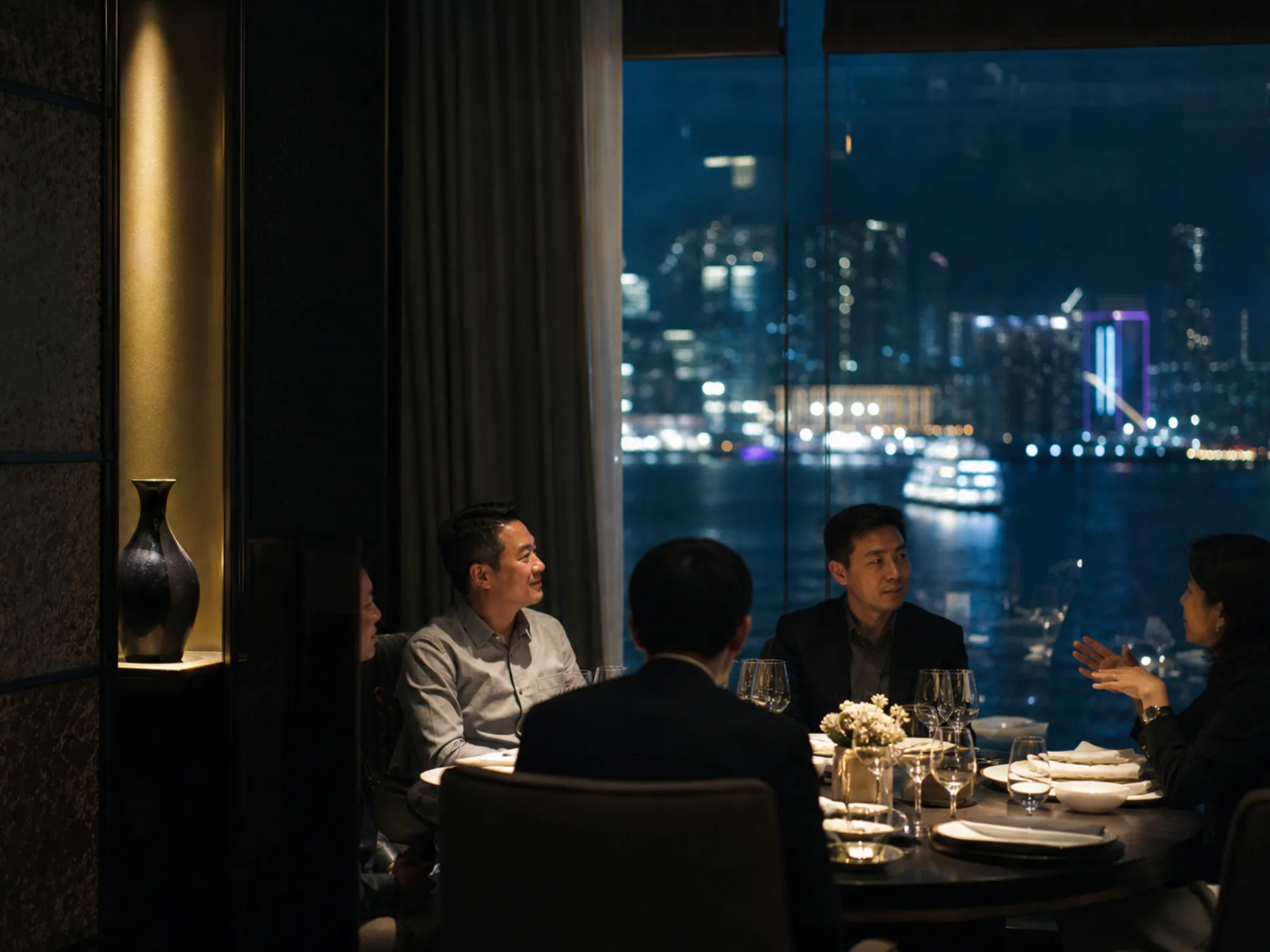
Introductions need a lively but not loud room; negotiations need a closed room and controlled service pace. Tell the restaurant guest count, languages, duration, and desired privacy level.
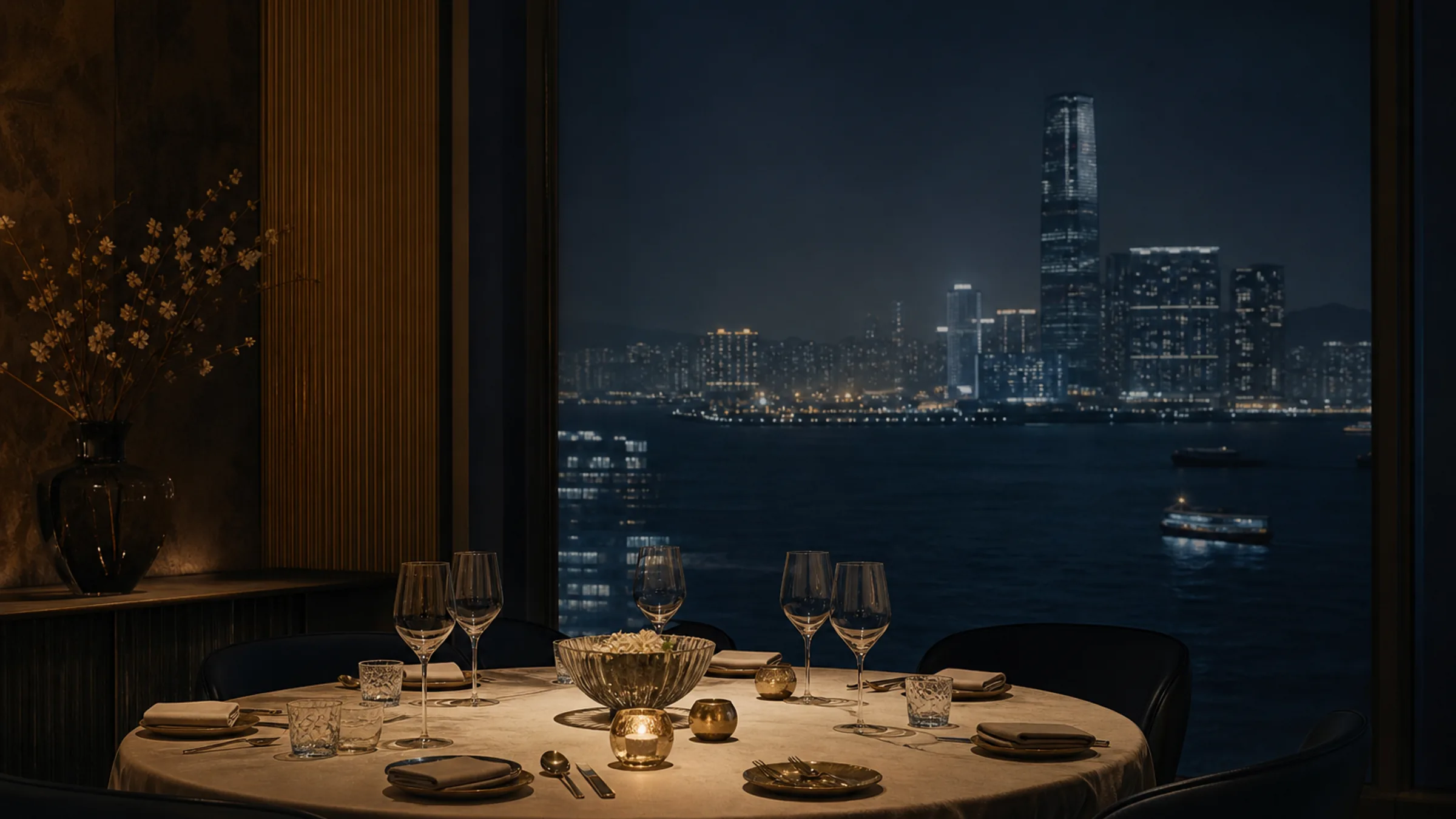
Clarify whether photography, gifts, or presentation materials are expected. Some rooms support screens well; others look private but offer poor sightlines once the table is set.
信A good business table protects conversation from noise, rush, and unnecessary display.
Verify current conditions
Shortly before the visit, confirm minimum spend, deposit, corkage, kitchen hours, and room configuration. Photos should match the booked room, not a generic brochure set.
Ask who manages the room on the night and how they handle late changes to guest count. A beautiful space with rigid service rules can break a flexible business conversation.
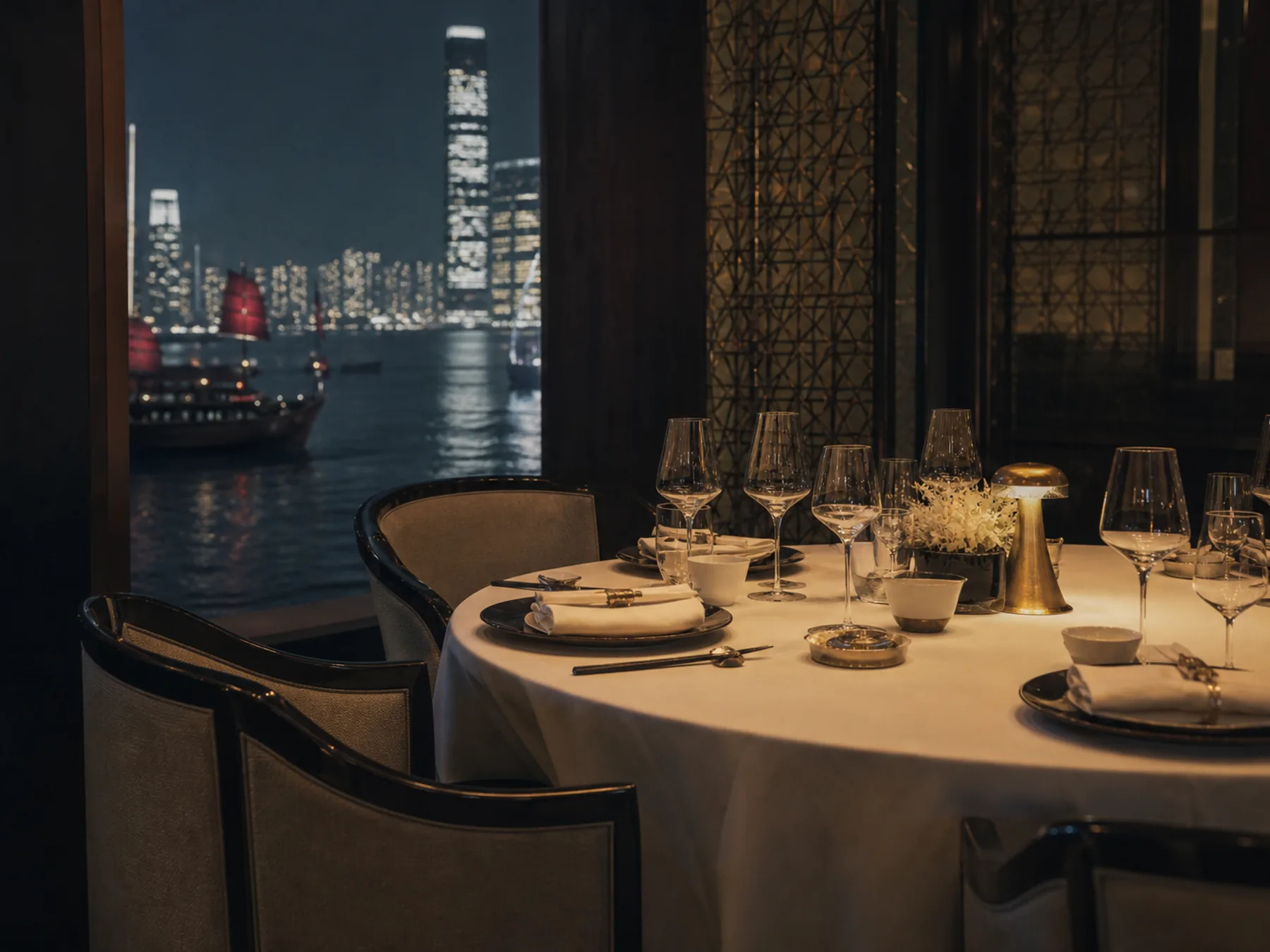
Any recommendation is valid only as of the verification date; chef, hours, and commercial terms can change.
Link menu planning to routing
Collect allergies and restrictions confidentially, agree on course order and banquet length, and verify drop-off, parking, navigation, and late exit before signing.
If guests arrive from different meetings, align first-course timing with realistic arrival variance rather than an ideal schedule that punishes the last car.
Quick checklist
- Define conversation goal and privacy level.
- Obtain photos and layout of the specific room.
- Fix menu, restrictions, and service pace.
- Check drop-off and current booking terms.

Need a working plan on this topic for your trip or project? We will start with context and clearly mark what still requires verification.
Discuss your brief