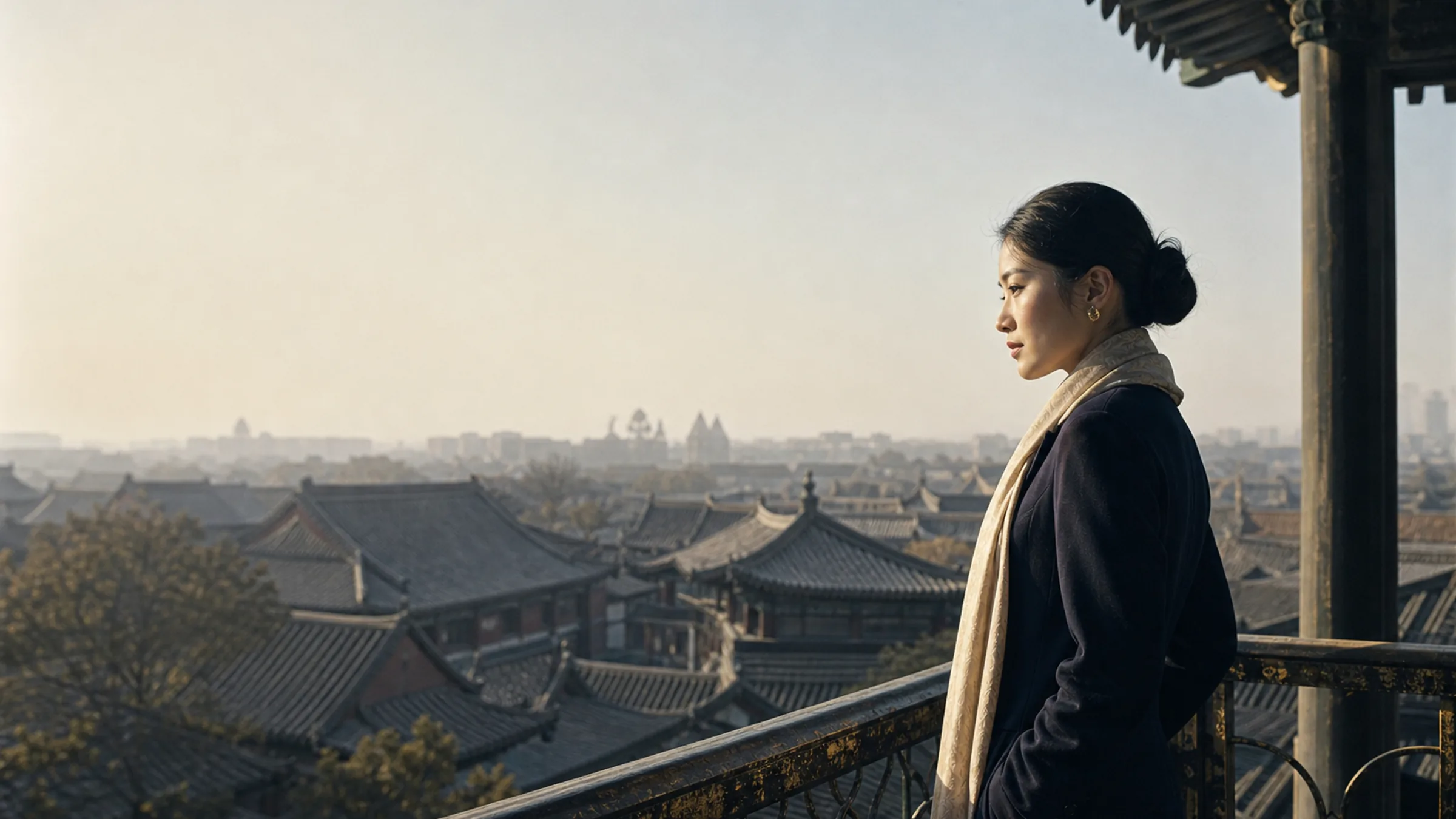

Beijing requires especially strict geography: map distance says little about time between gates, security, and the meeting room. A one-day visit is built around one objective and one primary district.
Set the anchor of the day
Define the meeting that justifies the visit, then add other points only if they strengthen that objective. For access-controlled sites, confirm documents, guest lists, and acceptable arrival times in advance.
If the day includes both institutional and hospitality blocks, sequence them so security-heavy locations come when the delegation is fresh and documents are complete.
信In Beijing, a good programme starts by refusing an unnecessary transfer.

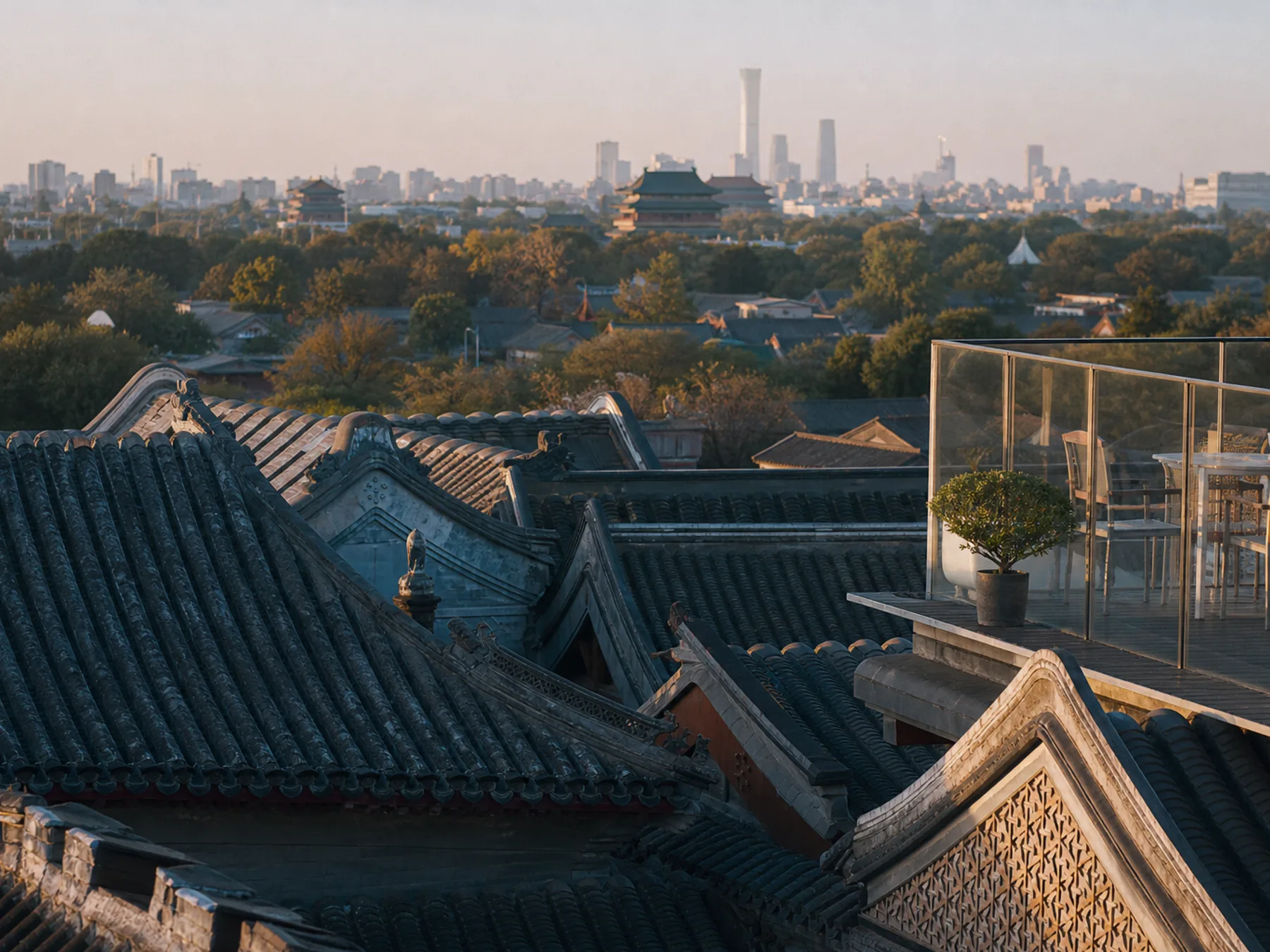
Plan for weather and access
Heat, cold, precipitation, and air quality can change the format of a walk or outdoor reception. Check forecast and local notices immediately before the visit and keep an indoor alternative of equal substance.
Winter visits may require longer indoor transitions; summer visits may push outdoor content to early morning. Treat weather not as a styling detail but as a capacity question for guests of different ages.
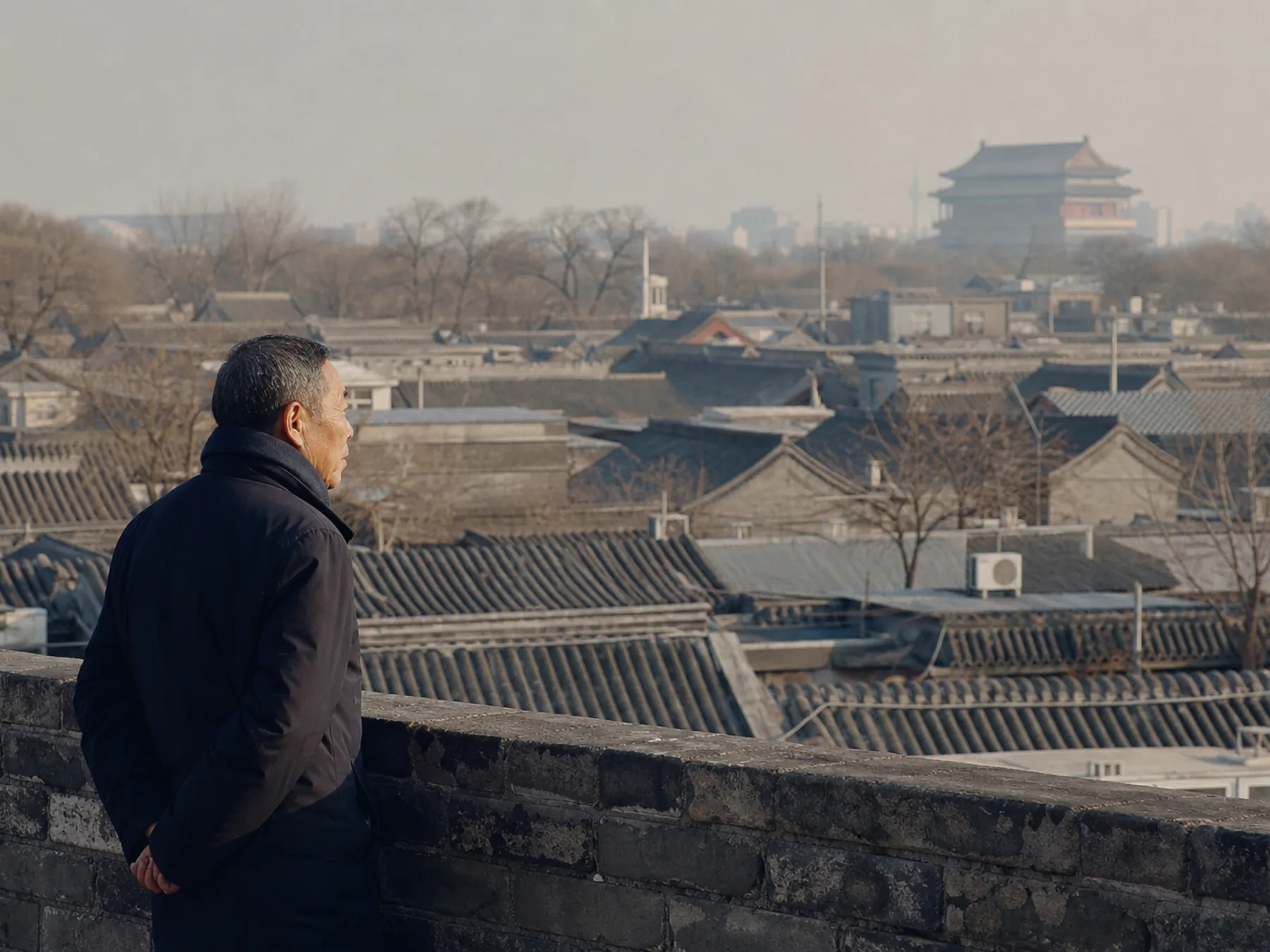
One main meeting, one additional context point, and one calm dinner is a realistic base for a short visit.
Close the day without new logistics
Dinner near the hotel or last meeting buys conversation time and reduces late-arrival risk. The coordinator needs one list for luggage, vehicles, and next-morning departures.
If toasts or formal remarks are expected, agree length and language support before the room fills. A strong day can still feel disorganized if the evening has no clear host signal.
Quick checklist
- Set one main objective and district.
- Submit access lists and documents.
- Prepare an indoor scenario for weather.
- Keep evening and hotel within a short transfer.

Need a working plan on this topic for your trip or project? We will start with context and clearly mark what still requires verification.
Discuss your brief