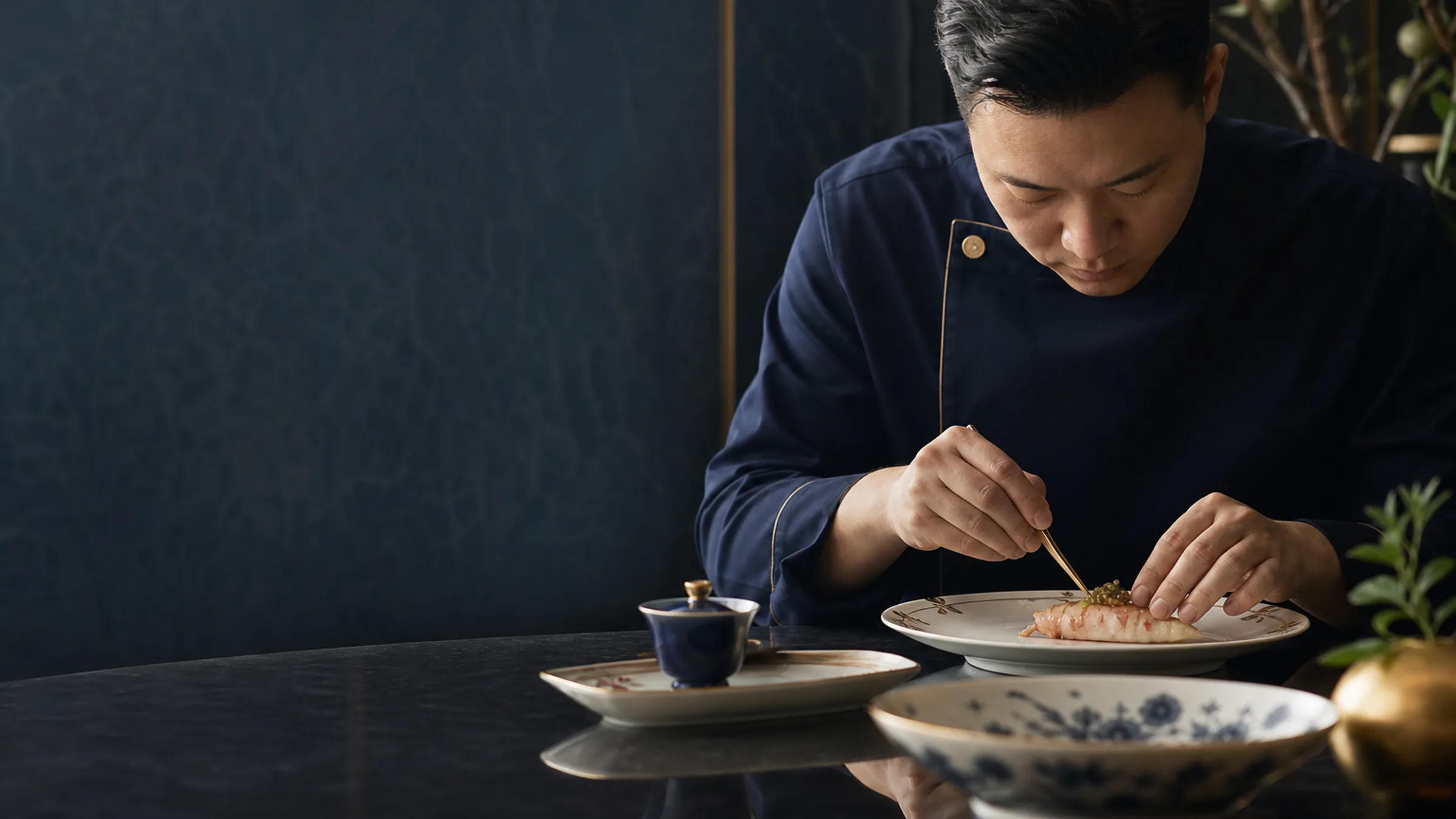

Business etiquette in China is not a ritual exam. It is a practical way to show attention to role, time, and your counterpart's reputation. These ten rules reduce friction in the room, but they never replace a pre-meeting brief with your local team.
Before the meeting: roles, names, materials
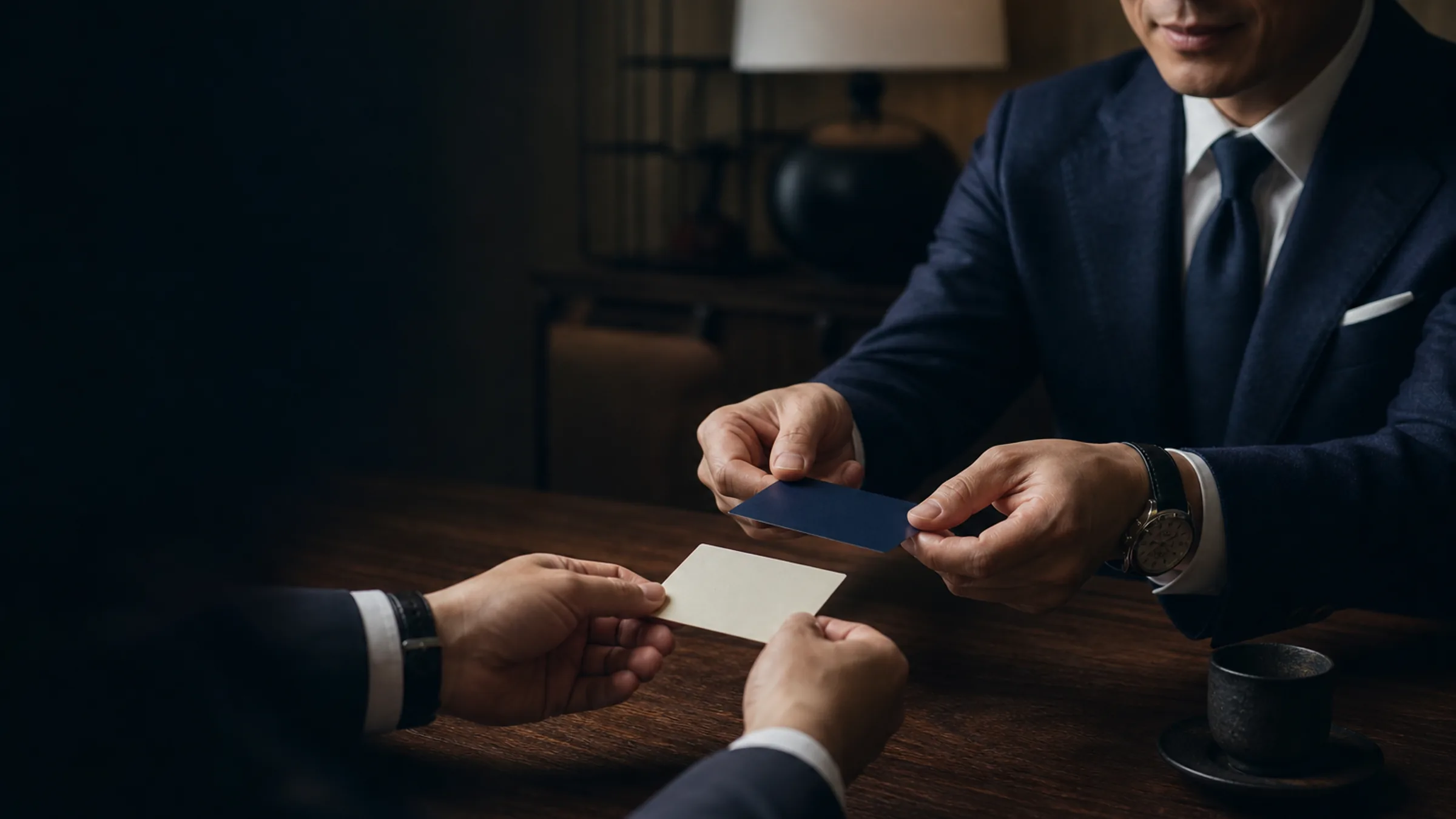
Confirm delegation composition and seniority, agree on name pronunciation, and prepare bilingual materials. Arrive early, present business cards with both hands, and give the recipient time to read the card before putting it away.
Share a one-page agenda in advance so interpreters and hosts can align on sequence, timing, and decision points. If gifts are part of the programme, confirm what is appropriate for the industry and avoid items that could be read as promotional overreach.
信Respect is noticed not through one gesture, but through a consistent sequence of precise details.
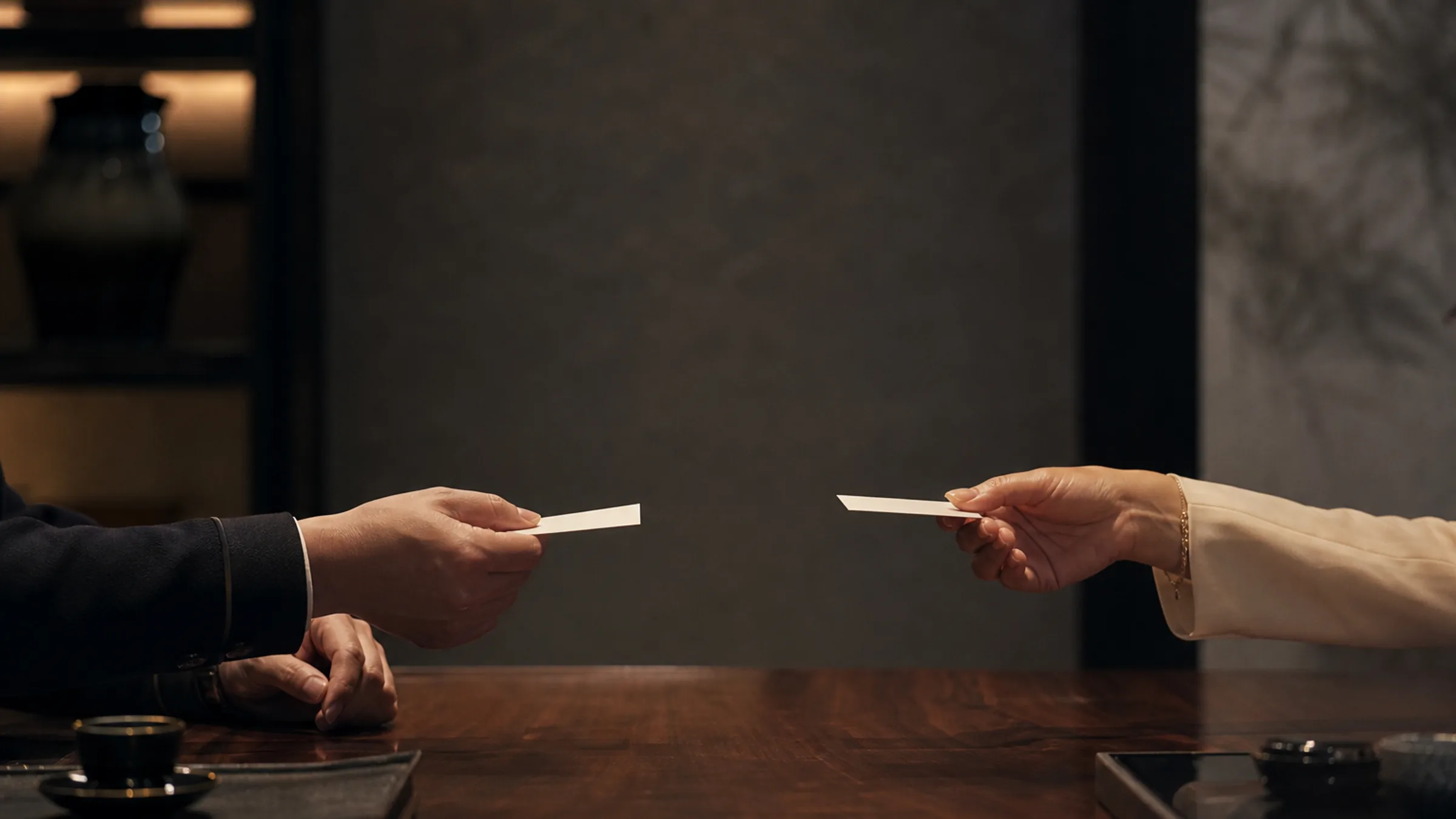

During the meeting: pace, face, hierarchy
Greet the most senior participant first, avoid interrupting interpretation, and do not treat silence as automatic disagreement. Frame objections as questions, constraints, or alternatives rather than direct challenges that could put someone on the spot.
Let the host guide seating and speaking order. If a topic is sensitive, allow it to move through the senior voice in the room rather than forcing an immediate binary answer from a wider group.
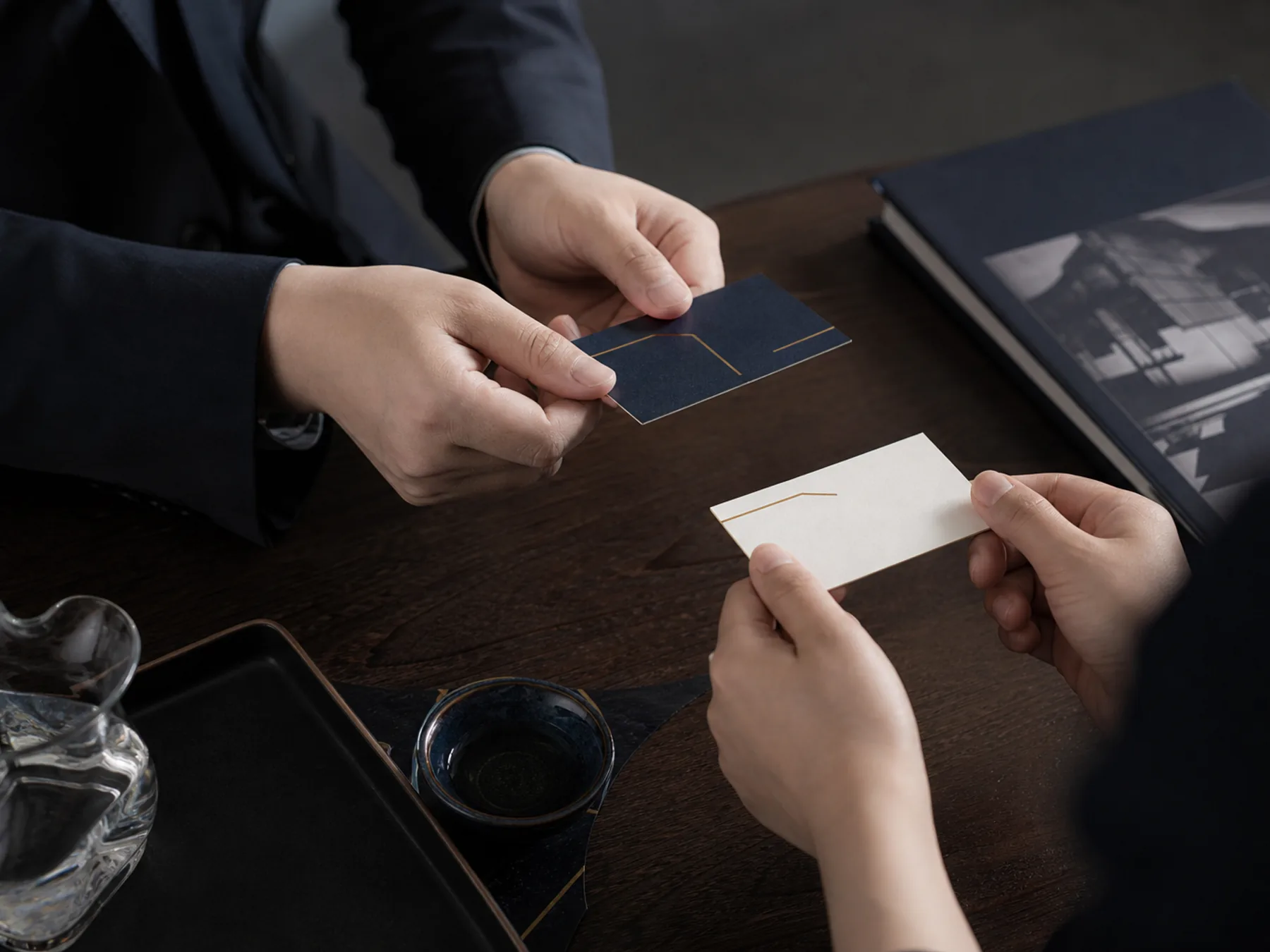
Norms vary by industry, generation, and company format; local advice outweighs any universal checklist.
After the meeting: written precision
At dinner, follow the host's seating plan and toast rhythm, and adapt alcohol service to guest restrictions in advance. After the conversation, send a concise summary of decisions, owners, and dates — the tenth and most practical rule.
If follow-up requires internal approval on the Chinese side, note expected response windows rather than treating silence as rejection. A short thank-you message that references something specific from the discussion often keeps momentum better than a generic check-in.
Quick checklist
- Verify names, titles, and introduction order.
- Prepare proofread bilingual materials.
- Align on interpretation, seating, and menu restrictions.
- Send a written summary of agreements.

Need a working plan on this topic for your trip or project? We will start with context and clearly mark what still requires verification.
Discuss your brief