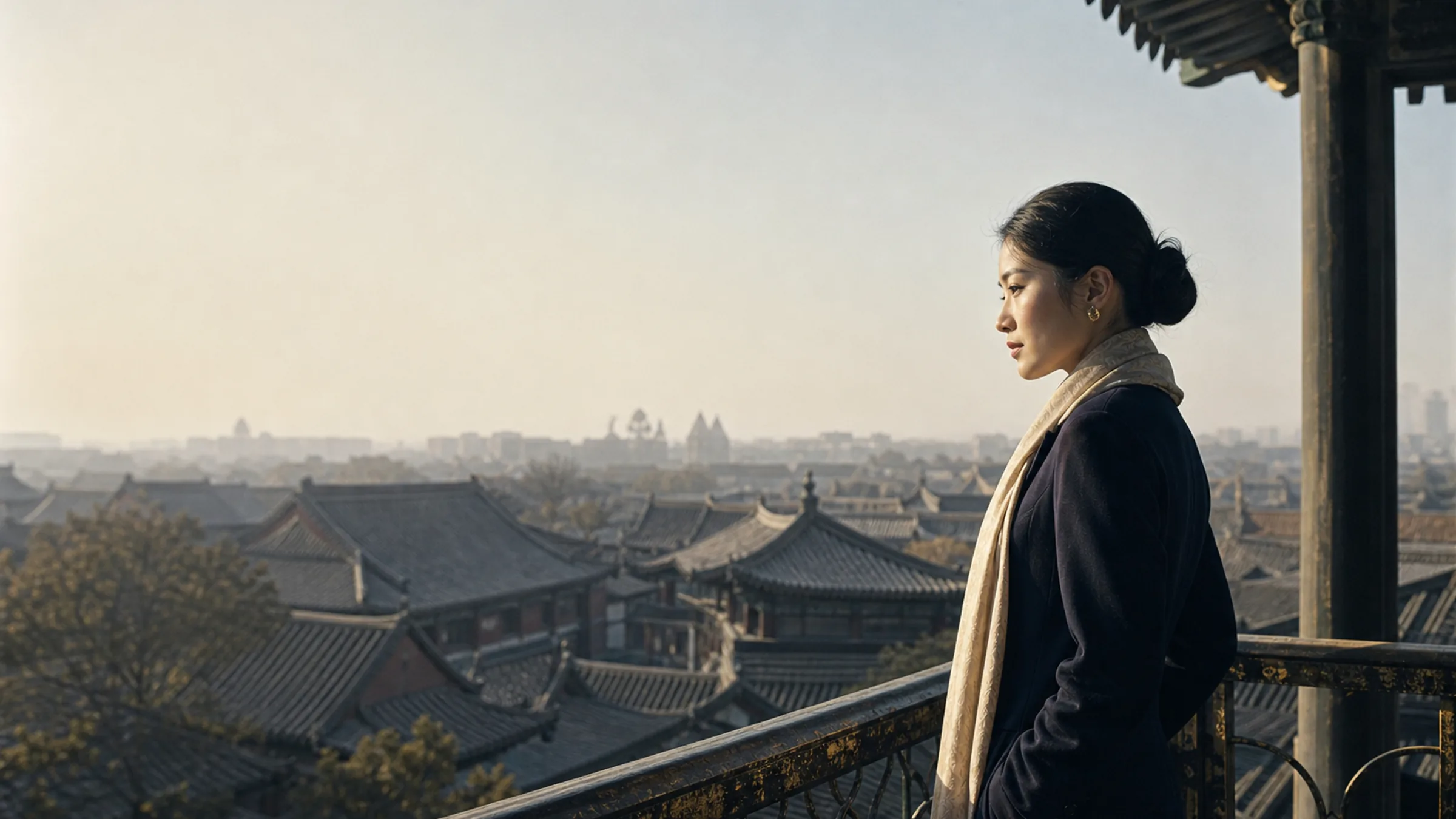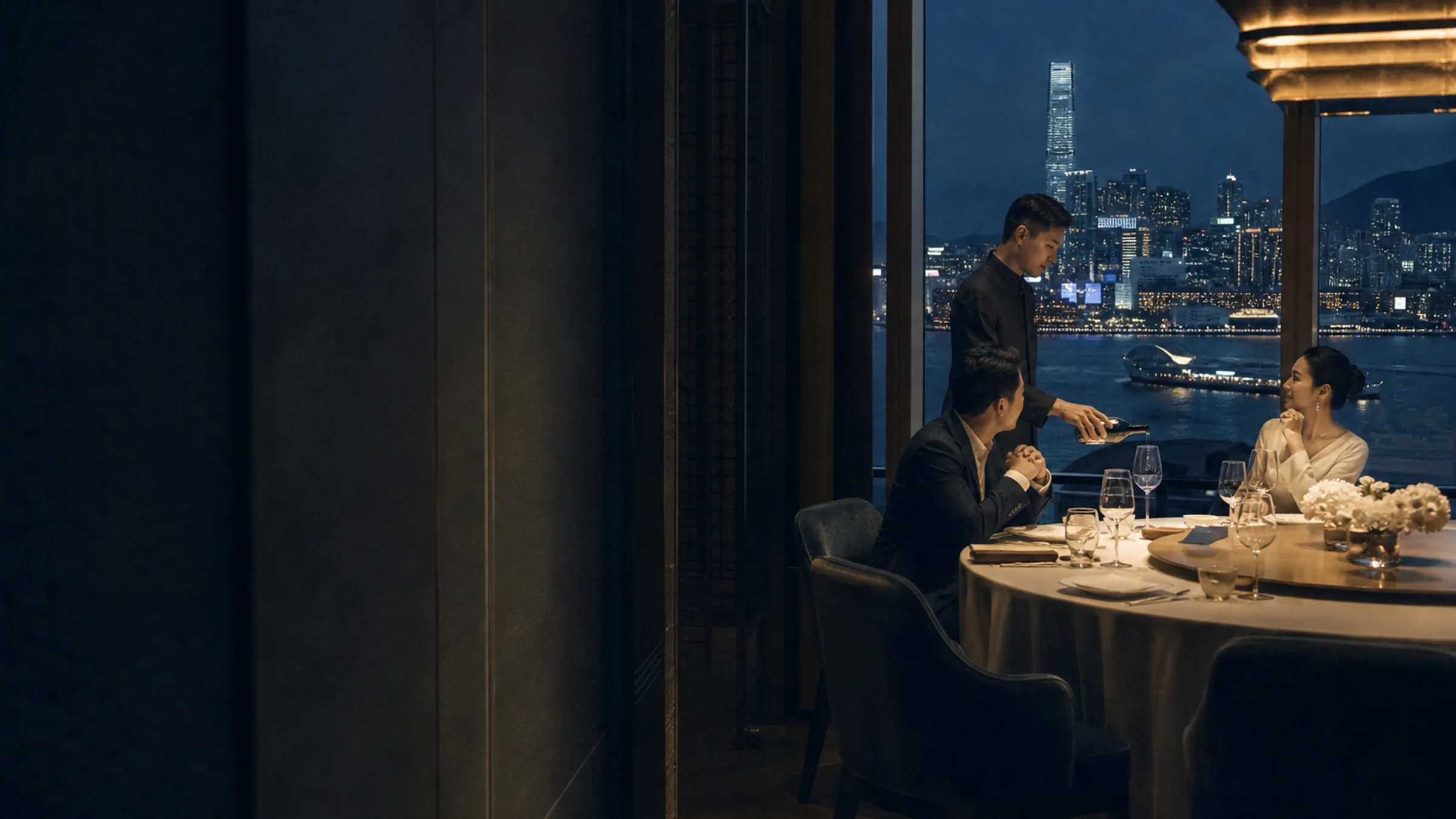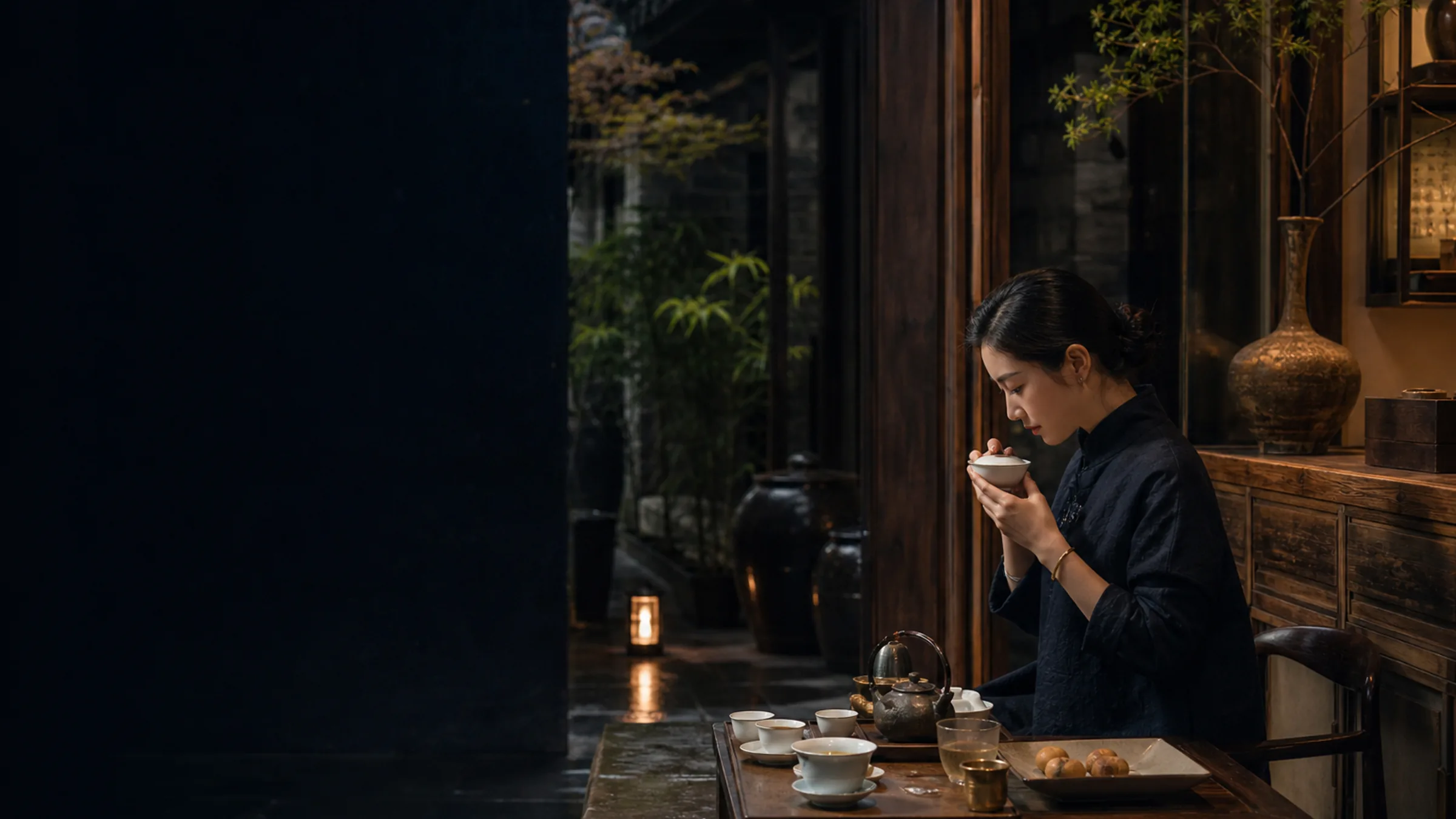

A Chengdu gastronomic route should leave room for taste, movement, and conversation. Five full stops in a row tire even a motivated group; fewer stops with clear context work better.
Know the group's limits
Collect allergies, restrictions, and spice tolerance without turning the survey into competition. For each key dish, provide an equivalent milder or otherwise safe option.
Explain ma-la as sensation, not only heat. Guests who understand peppercorn numbness and chili heat separately make braver and happier choices.
信Flavor is remembered better when there is street, story, and pause between dishes.
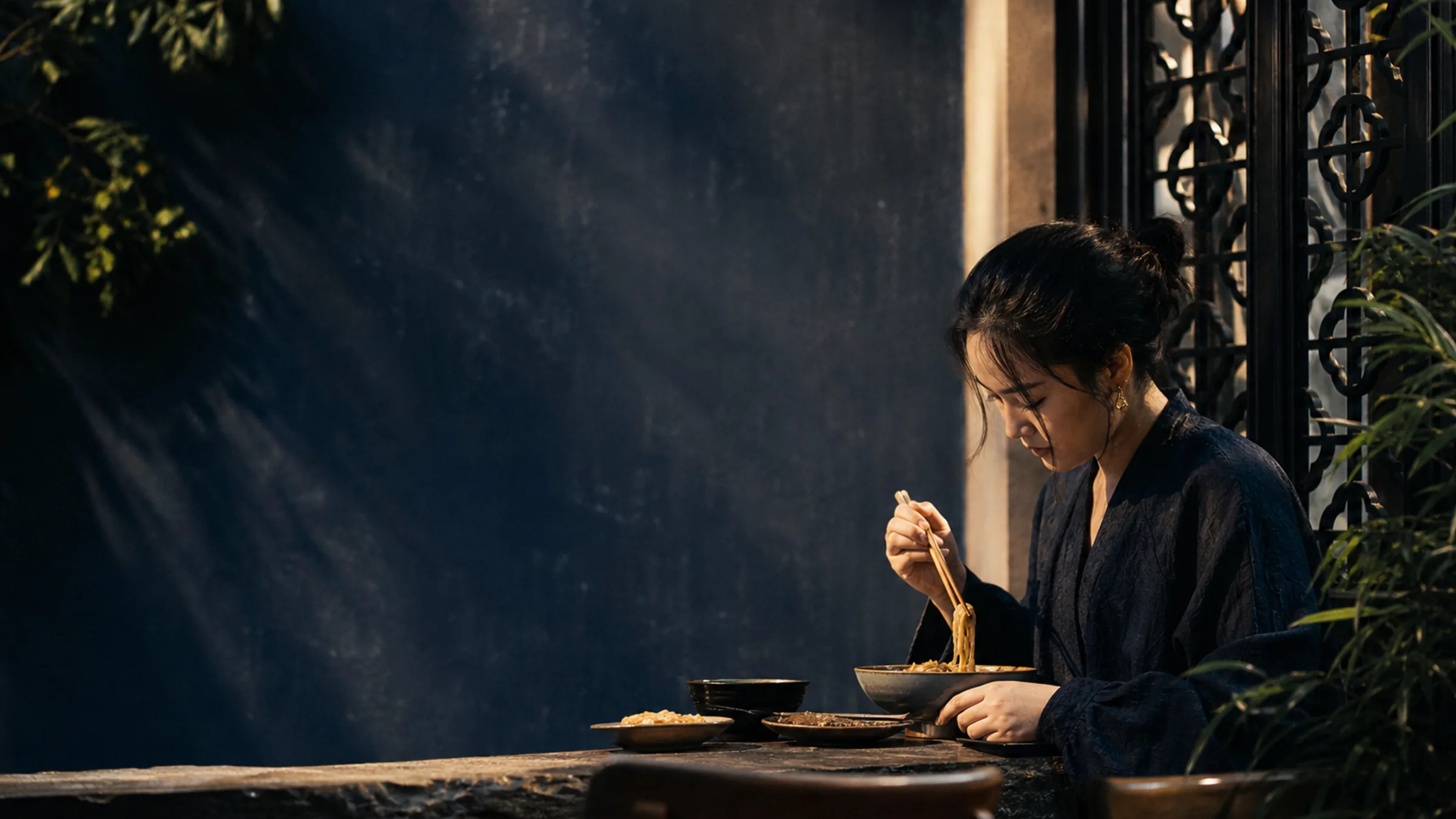
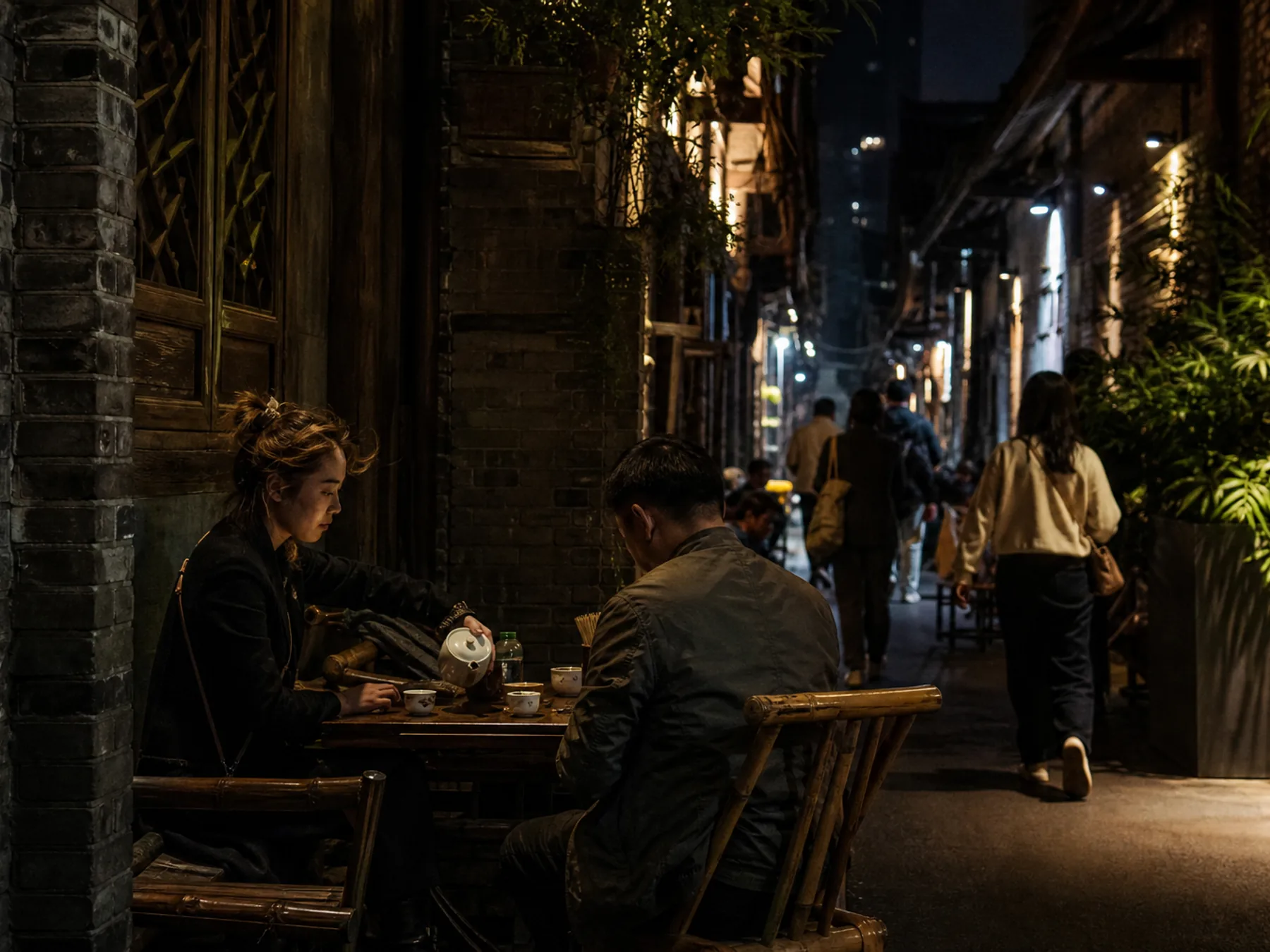
Build a tasting arc
Start with a light introduction, alternate textures, and end with a seated meal or tea. The local host should explain ingredient and context briefly, leaving time to taste.
Avoid scheduling a hot-pot finale immediately before a long transfer. The best arcs cool down socially as well as gastronomically in the last hour.
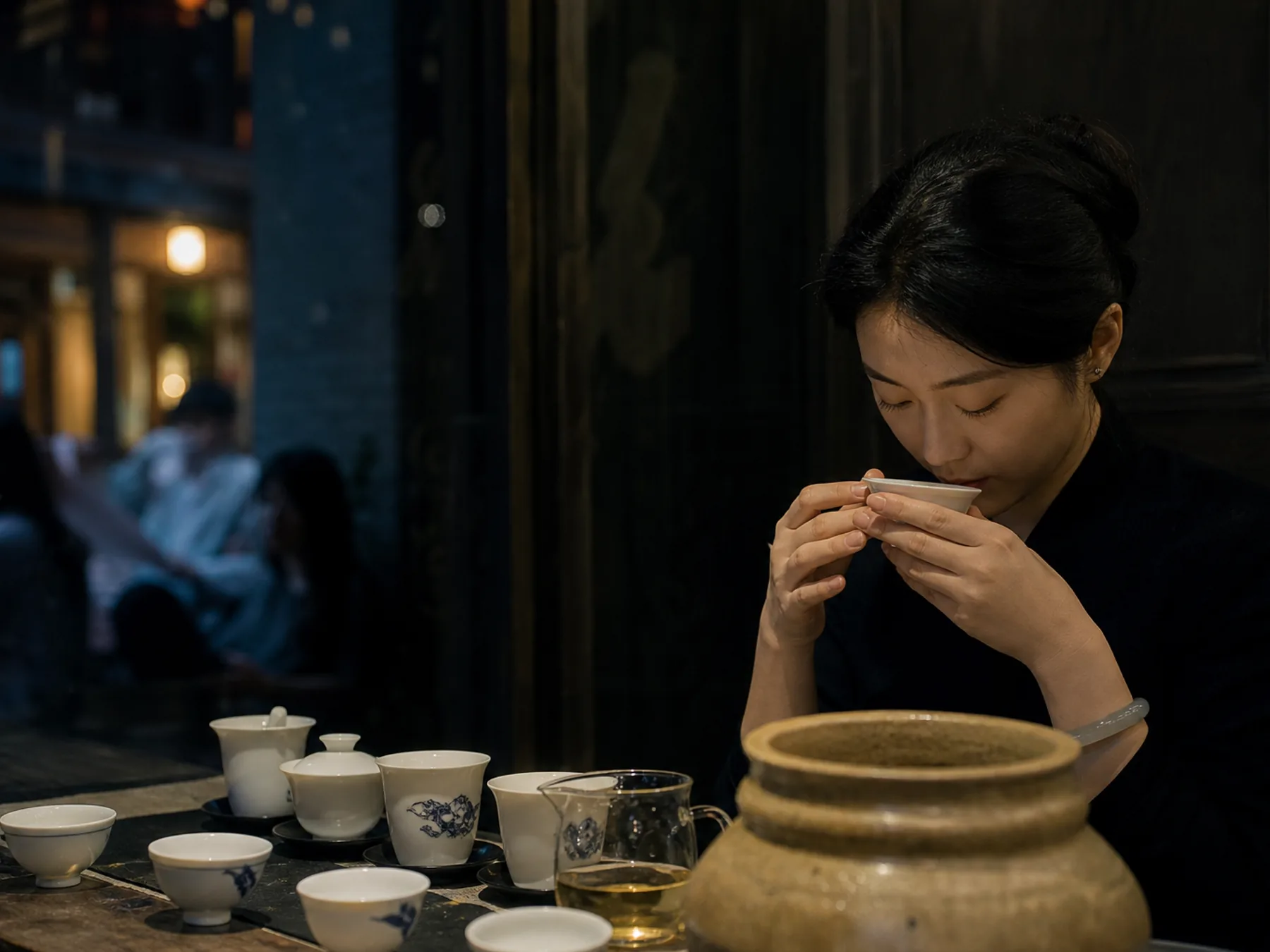
Three tasting highlights and one calm final seating usually deliver more than a gastronomic marathon.
Check the street as a venue
Walk the route at the planned time of day; note transitions, restrooms, cover, and boarding point. Confirm current hours, hygiene conditions, and accessibility close to the date.
Street food in Chengdu is operationally sensitive to rain and weekend density. A backup indoor tasting of equal character should be minutes away, not across town.
Quick checklist
- Collect restrictions and spice level.
- Limit the route to three highlights.
- Walk the street at operating time.
- Confirm hours, hygiene, and rain plan.

Need a working plan on this topic for your trip or project? We will start with context and clearly mark what still requires verification.
Discuss your brief