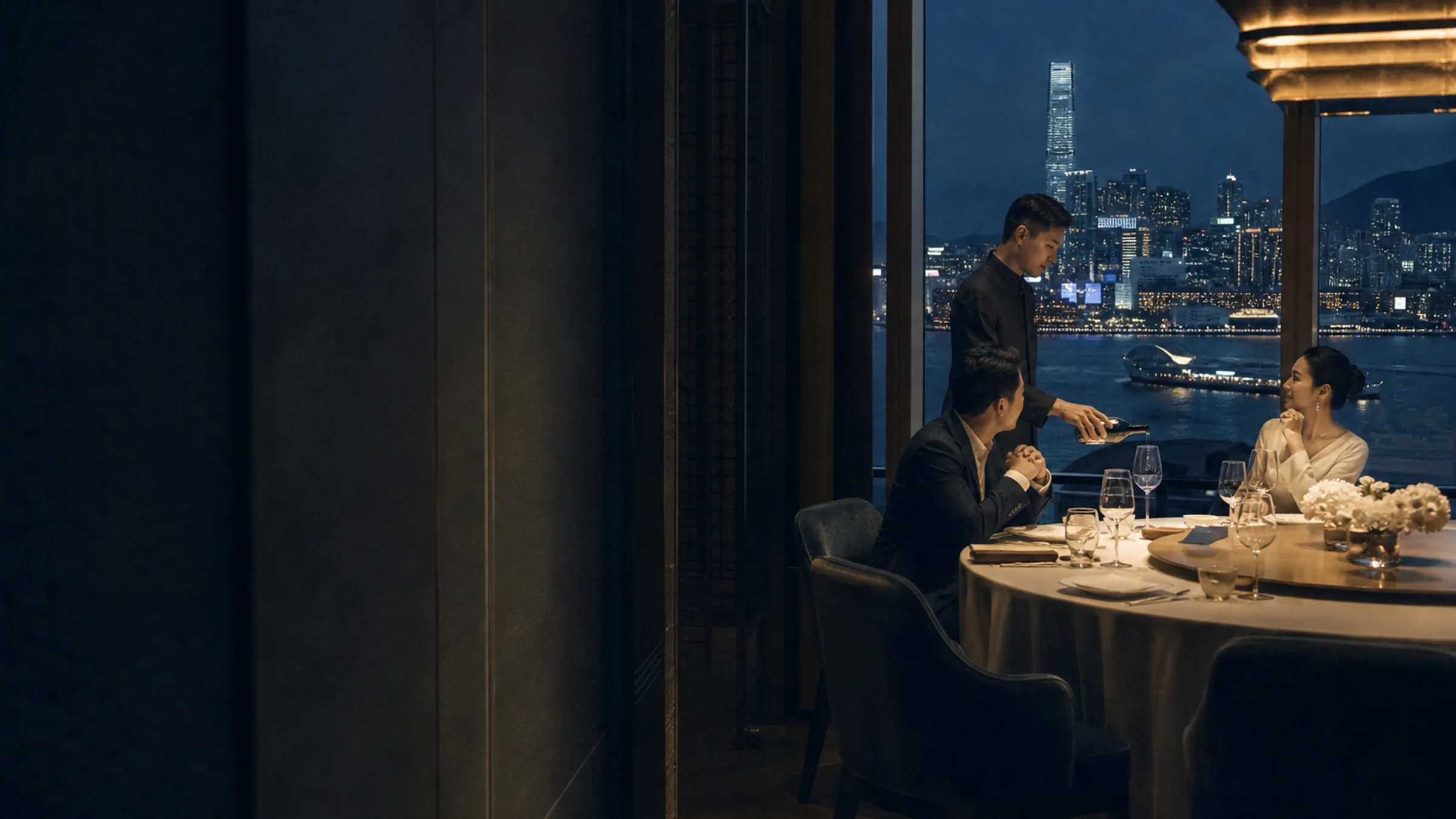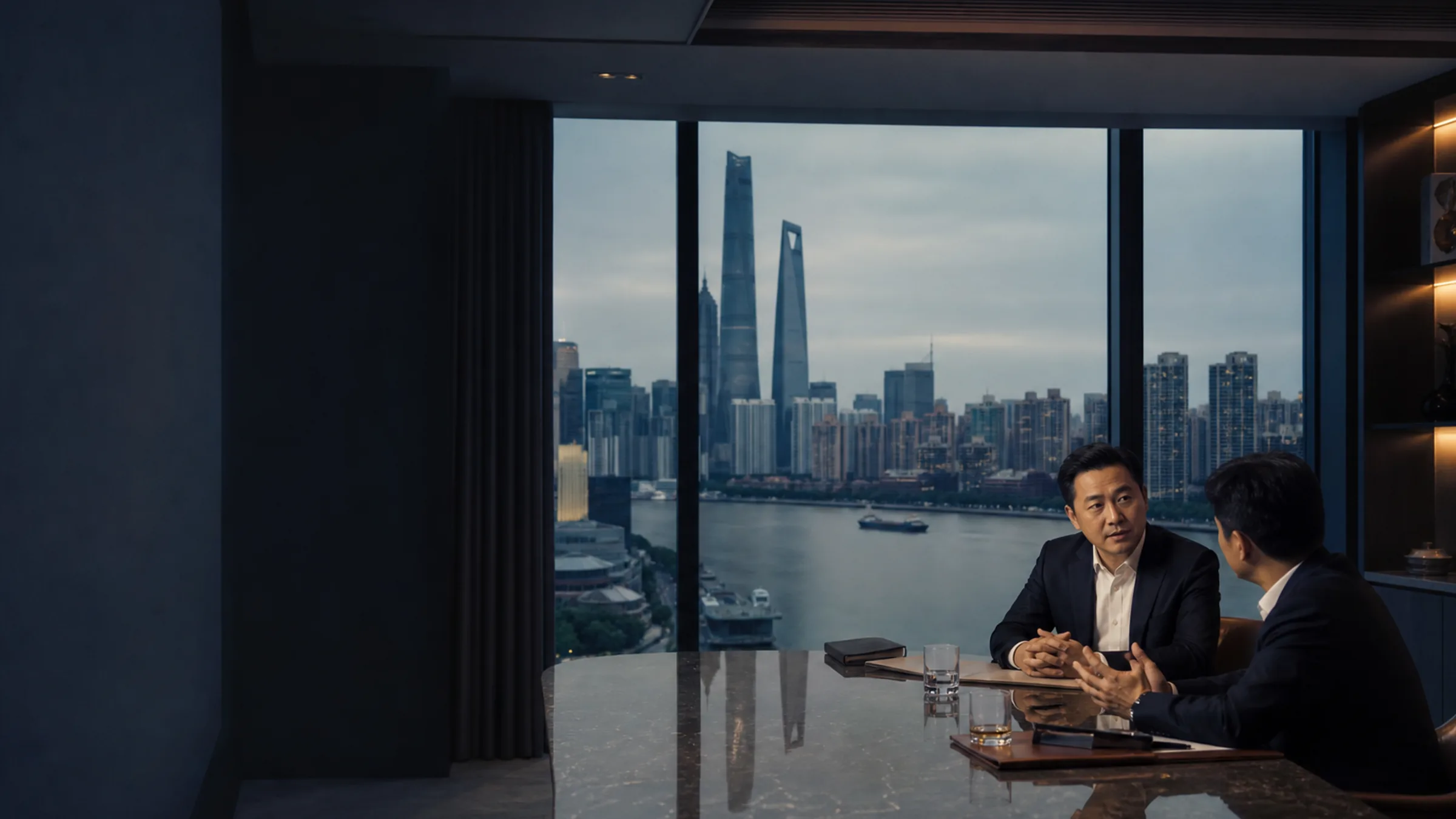

A boardroom in Shanghai is not only a table, screen, and panorama. For a serious meeting, acoustic privacy, stable connectivity, controlled access, and a team that can fix failures quickly matter equally.
Test privacy physically
Close the doors and listen to the corridor; clarify staff access and video surveillance rules. For sensitive materials, agree on table clearing, print storage, and draft disposal.
Check whether adjacent rooms share ducting or thin partitions that carry sound during parallel meetings. Privacy is a operational requirement, not a marketing label on the room card.
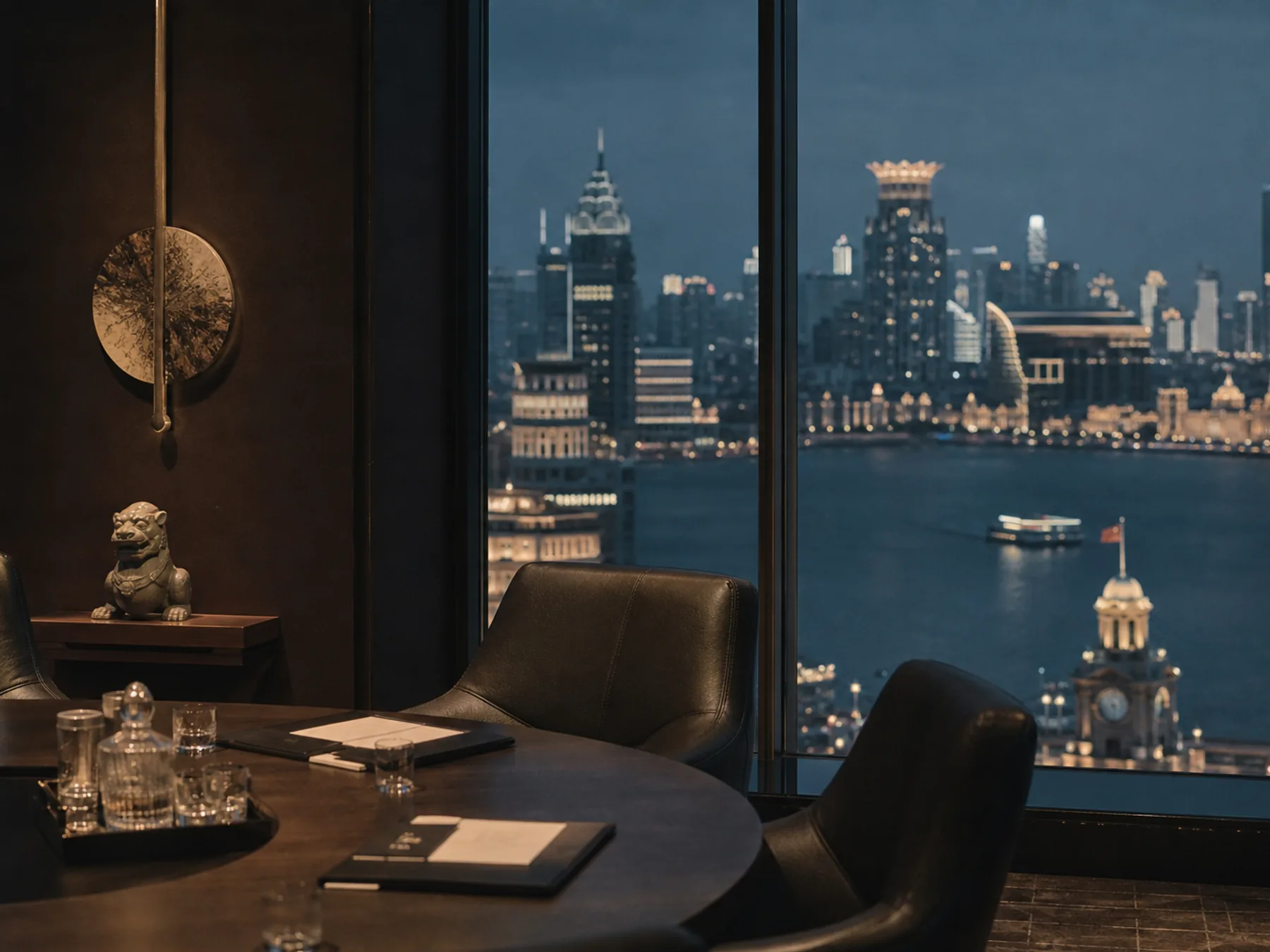
信The window view impresses once; confidentiality and connection work all day.
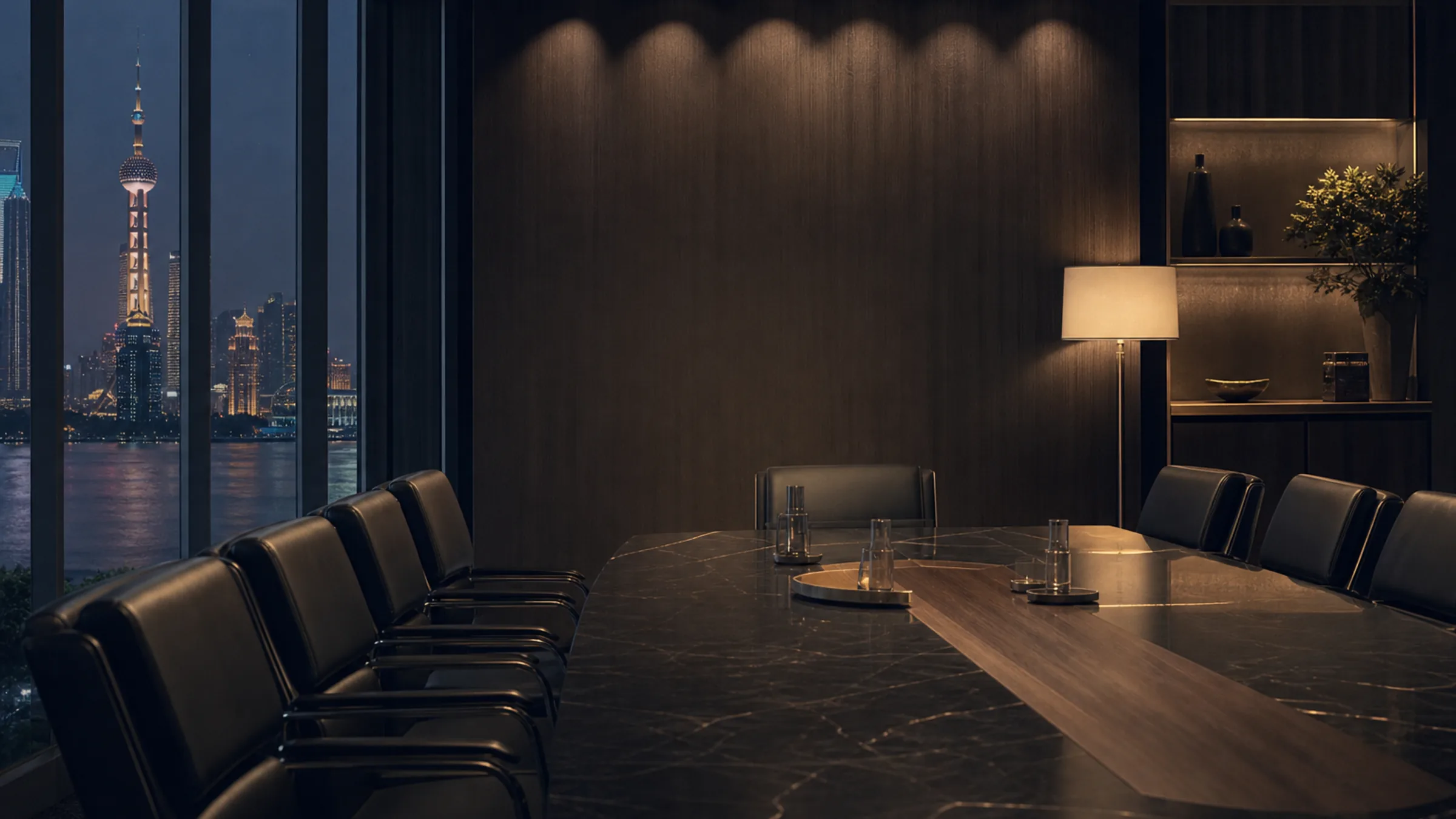
Test the actual working scenario
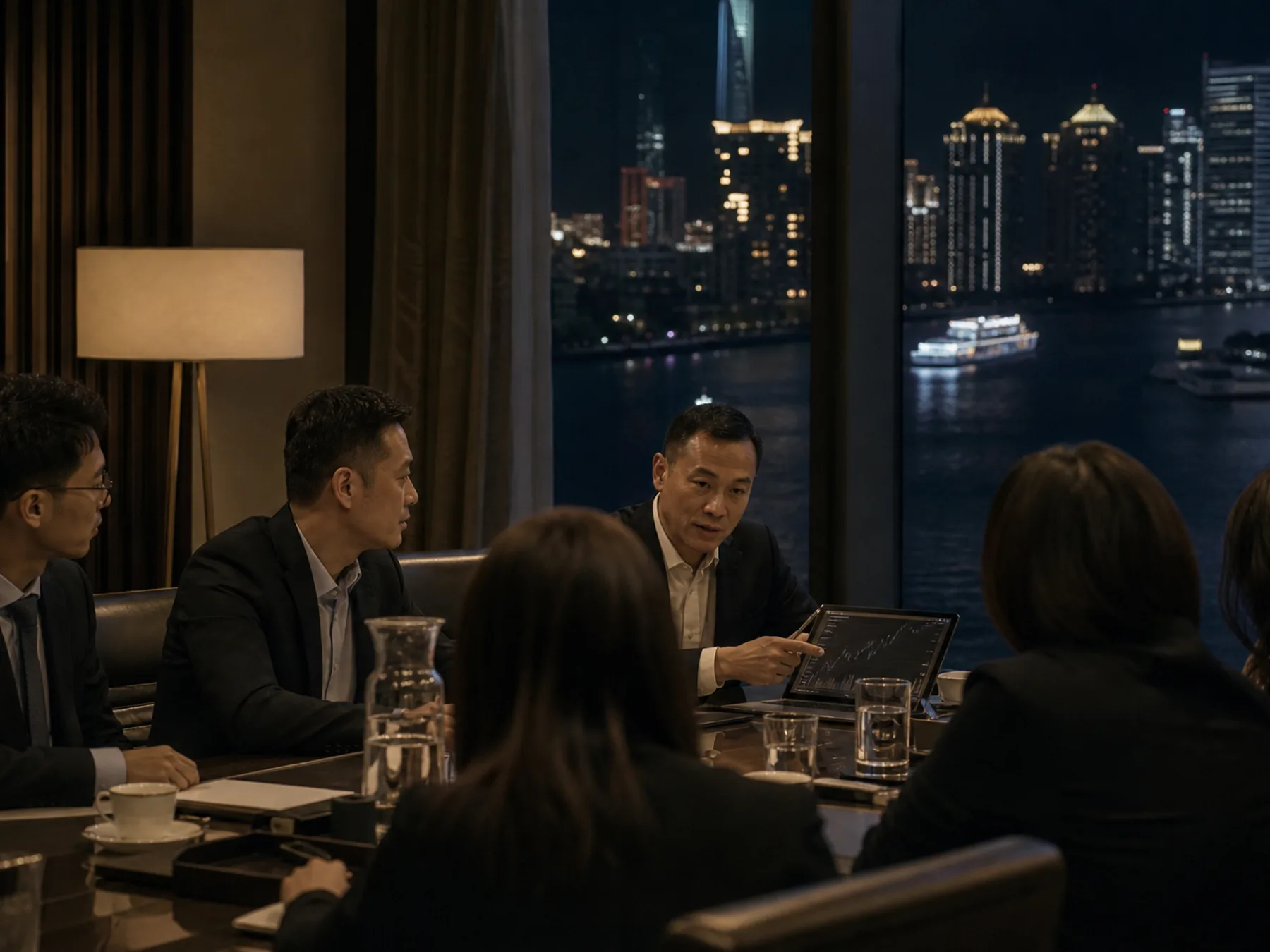
Run a call on the real platform with the expected number of remote participants and a live presentation. Prepare wired internet, a backup laptop, adapters, and a separate channel to technical support.
Rehearse handoffs between in-room and remote speakers, including who un-mutes, who advances slides, and what happens if the primary line drops. A speed-test screenshot is not a hybrid rehearsal.
An internet speed screenshot does not replace a full call rehearsal on the required platform with the correct access policies.
Protect the meeting rhythm
Separate registration, coffee, and negotiations so service does not interrupt closed blocks. Check elevators, restrooms, a phone room, and the rate for extending the rental if the conversation runs long.
Define when catering may enter and how housekeeping signals a room turnover. A beautiful boardroom loses value quickly if every break becomes a logistics interruption.
Quick checklist
- Listen for corridor noise behind closed doors.
- Run a full hybrid test.
- Agree staff access and service timing.
- Fix overtime rates and a backup room.

Need a working plan on this topic for your trip or project? We will start with context and clearly mark what still requires verification.
Discuss your brief